
FREQUENTLY ASKED QUESTIONS
The questions people actually ask
Including the ones people are usually embarrassed to ask out loud.
BEFORE YOU REACH OUT
-
Yes. A lot of clients tell me some version of “nothing that bad happened to me, it's silly that I feel this way” before we've even started — and then describe patterns that have quietly shaped their whole life. You don't need a dramatic story, or a worse story than someone else's, to justify getting support. If it's costing you, it's worth working on.
-
This comes up more often than you'd guess, usually before someone's said much else. Harsh or unwanted thoughts about yourself don't make you a bad person — they're much more often a sign of how much pressure you've been carrying internally, and how little permission you've had to talk about it out loud.
-
A fair question, especially if you've felt unseen by people who were supposed to know you well. I can't promise instant trust — that has to be earned, session by session — but this isn't passive listening. I track patterns across what you share, ask questions that go beneath the surface, and bring you back to threads that matter even weeks later.
-
That's a common starting point, and honestly a reasonable one — especially if you've spent years focused on everyone else's needs. Clarifying that is part of the early work, not a prerequisite for it.
ABOUT THE WORK ITSELF
-
Yes, and you don't need to have “tried everything else first.” Some of the clients I do the best work with are people addressing something long-standing for the very first time — not because it just started, but because now feels like the right time to take it seriously.
-
It depends on your last experience, and both are common. A lot of clients tell me previous therapy focused on symptoms and coping skills without addressing what's underneath — my approach spends real time on the roots, which is often the piece that was missing.
Others tell me their last therapy actually was helpful and they stopped for reasons unrelated to fit. If that's you, you're not starting over — you're picking a kind of work back up, and that's just as welcome here.
-
Neither, exactly. We start with a small set of grounding skills — enough to help you feel present and stable — and then move into the deeper work once that foundation is in place. It's sequenced, not all-or-nothing.
-
It genuinely varies, and I'd rather give you the honest range than a tidy number. Because this work often focuses on long-standing patterns rather than only current symptoms, it isn't always quick — some clients are with me for a year or more, with the pace changing over time: more frequent early on, less frequent as things shift and stabilize.
Others reach the goals they came in with, and see real symptom reduction, in about six sessions, and are ready to pause or wrap up. We revisit this together regularly — you're never assumed to be signed up indefinitely.
-
Yes. Panic attacks with no cardiac cause are a form of anxiety I work with regularly — not a separate or lesser concern, and not something you need a depression diagnosis to justify bringing in.
-
Yes. People whose bipolar disorder is stable and managed, who want to go deeper into relational and pattern-focused work alongside that stability. This isn't primary mood or medication management.
PRACTICAL MATTERS
-
We'll review any paperwork you completed beforehand, and I'll check in on questions you have. From there I'll begin a detailed look at your history, relationship dynamics, and coping patterns. This is your process too — if there's something you'd rather start with, tell me. It doesn't have to unfold in a fixed order.
In these early sessions we'll also start clarifying concrete goals: what would make this work feel worth it to you, and what “getting better” would actually look like.
-
I currently work on a private-pay basis. Many clients use out-of-network benefits — I'm happy to provide a superbill you can submit for potential reimbursement, and to talk through what that might look like before we start. Sessions are $185 for a 50-minute therapy hour and $275 for intake or 90-minute sessions.
Most sessions are the standard 50 minutes. Intake and the focused processing work for trauma, panic and OCD run 90, because those protocols were built that way — and insurance typically reimburses around an hour regardless
-
No. Since I work on a private-pay basis, there's no insurance company requiring a diagnosis code to authorize treatment. If a diagnosis is clinically relevant and useful to you, we can talk about it — but it isn't a prerequisite.
-
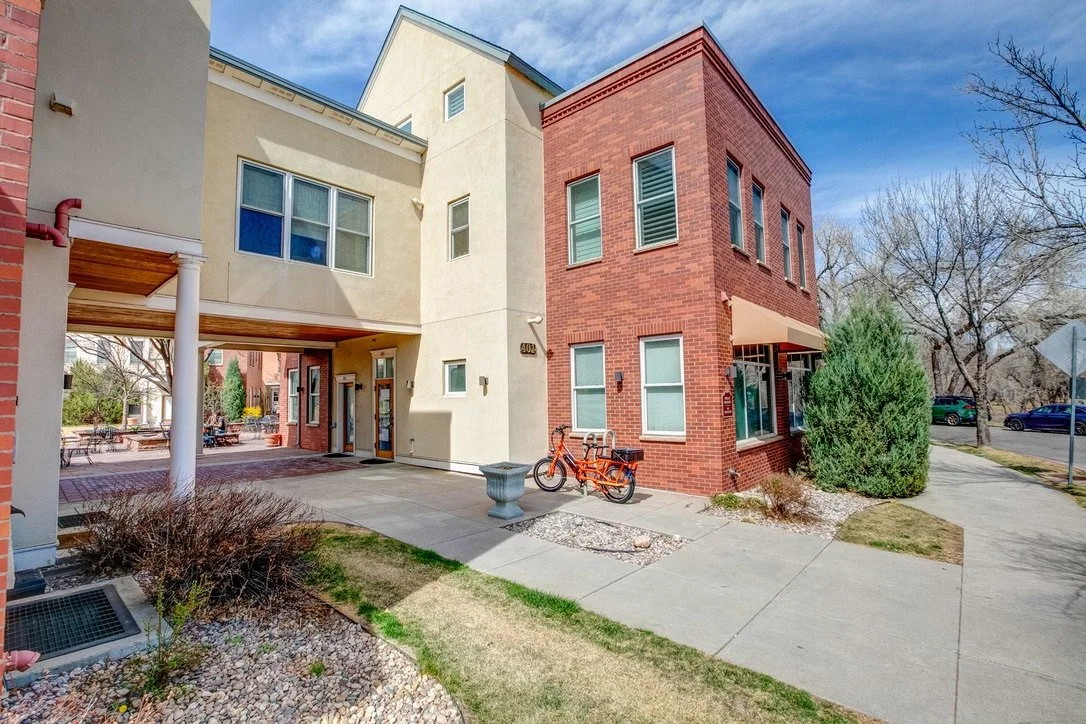
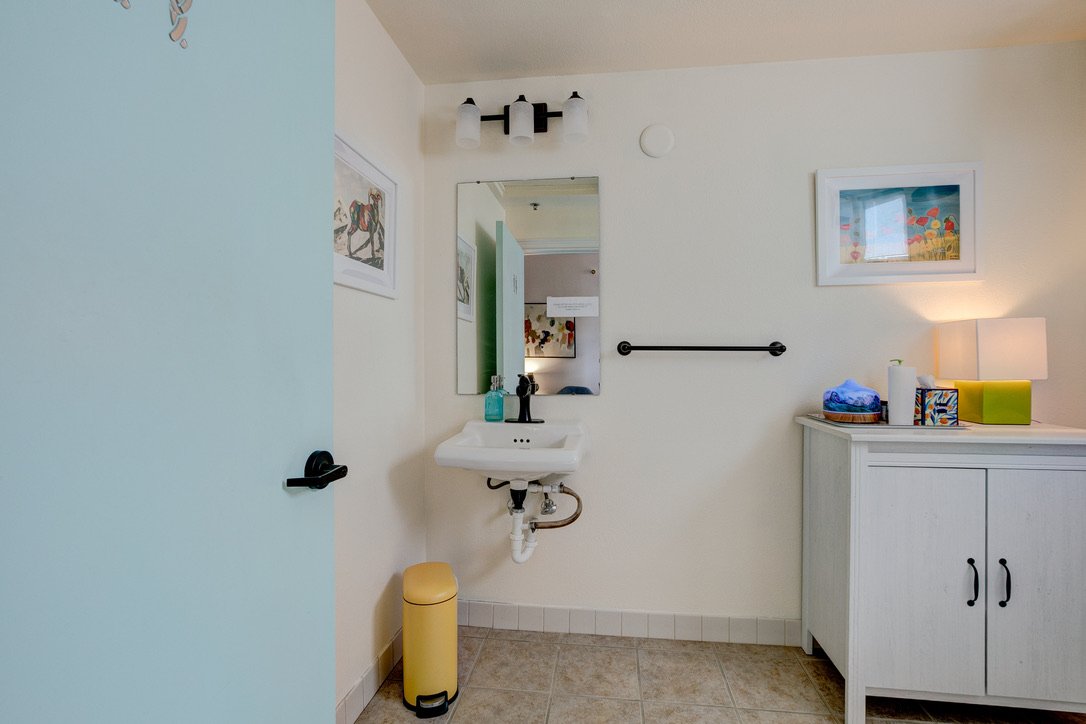
Both. In-person sessions are held in my office on the north end of Old Town, near Lee Martinez Park. Telehealth is available anywhere in Colorado, as long as you're physically present in the state at the time of your appointment, per state licensing requirements.
-
Most clients start weekly, which gives the work enough continuity to build on itself. As things stabilize, some shift to every other week. We'll talk about frequency directly rather than defaulting to a schedule that doesn't fit your life or budget.
-
I ask for 24 hours' notice to cancel or reschedule, and there's a fee for late cancellations and no-shows. I want to be transparent about why: this work depends on consistency, and alate-cancelled slot usually can't be filled.
That said, emergencies and illness happen, and I make exceptions in those situations. If something comes up, tell me — I'd much rather hear from you than have you avoid reaching out because you're worried about a fee.

How do I get started?
Pick a time straight from the calendar — you'll get confirmation immediately. We'll talk briefly about what's bringing you in, I'll answer any questions, and we can both get a sense of whether this feels like a good fit before committing to a first full session.