
What therapy with me looks like
APPROACH & PROCESS
A lot of therapy either stays at the skills level — here's a coping tool, here's a reframe — or goes straight into deep processing without enough groundwork. I do both, in sequence, because I've found that's what actually holds.
A few things that are true of how I practice
Many clients I see have been in therapy before, and it didn't stick.
I don't start with coping skills as the destination — they're the doorway.
I also do great work with clients who've never really tried therapy, but feel ready to finally address something long-standing.
How long this takes genuinely varies — some clients wrap up in about six sessions, others stay a year or more.
Why some sessions need 90 minutes
Most of our work happens in the classic 50-minute therapy hour, and that length serves it well. Two things don't fit inside it: your intake, and the focused processing protocols for trauma, panic, OCD and anxiety — Cognitive Processing Therapy, CBT for trauma, exposure therapy. Those were designed around sessions of about 90 minutes.
That length isn't arbitrary. Exposure and processing work needs enough runway to go into something difficult, move through it, and come back out steady before you leave the room. Stopping partway because the clock ran out isn't a neutral outcome — it can leave you more activated than when you arrived.
Insurance typically reimburses at most an hour, whatever the protocol calls for. When session length is set by a billing code rather than by the treatment, the protocol stops being the protocol — and the sessions that most need the extra time are exactly the ones that get cut short.
Insurance-paneled therapists often manage high caseloads to make the economics work, which can mean less availability and continuity.
Many plans cap session counts or review treatment for “medical necessity,” which can interrupt care right as it's gaining momentum.
Insurance companies require a diagnosis code to authorize treatment, which can limit what's covered to only what fits that code.
None of this means insurance is the wrong choice for everyone. But for the depth of work described on this page, paying privately means treatment can follow the clinical protocol that actually works, rather than a reimbursement schedule.
The three phrases
PHASE ONE - FIRST SEVERAL SESSIONS
We start by getting a full picture of what's bringing you in and the longer pattern behind it, alongside a few grounding skills — breathing, mindfulness, tools from DBT — so the deeper work ahead feels possible instead of overwhelming
Finding solid footing
PHASE TWO - THE BULK OF OUR WORK
This is where we go beneath the surface to where these patterns actually live, processing the emotion underneath them rather than just talking about it. It's slower and harder than Phase 1, and it's usually where the most meaningful shifts happen.
Going in, coming out
PHASE THREE
Once the roots are actually understood, we shift toward the practical: different choices, different boundaries, showing up differently in your relationships — built on ground that's already shifted, not layered on top of something unresolved.
New growth
It's hard to picture, from the outside, what this kind of work leads to. This isn't a promise of a particular outcome — everyone's process looks different — but it may help you imagine what's possible.
What clients often notice
Feeling more like themselves, with less weighing them down, than they have in years — sometimes it's been so long that it's genuinely hard to name when they last felt this way.
Realizing that what looked like a single relationship problem was sitting on top of a low, ongoing hum of depression that had gone unaddressed for a decade or more.
Feeling hopeful about the future again — genuine excitement about things, more energy, less of the flatness that originally brought them in.
Realizing that nothing was actually wrong with them to begin with — and seeing the ways they'd been hard on themselves as an outdated coping strategy, not a fixed truth.
What real change requires from you
This approach works, but it asks something real of you. The clients who see the most meaningful change tend to be willing to:
Sit with emotions that are uncomfortable, even when the instinct is to talk around them or fix them quickly
01
Be honest — with me and with yourself — even when it's easier to minimize or intellectualize
02
Engage with reflection between sessions — not as mandatory homework, but because that's often where real integration happens
03
Show up consistently, especially in Phases 1 and 2, since this work builds on itself session to session
04
Stay in it even when progress feels slow or old patterns resurface — that's usually a sign you're getting closer to something, not moving backward.
05
I can offer structure, skill, and a steady, compassionate presence — but real change is something we build together.
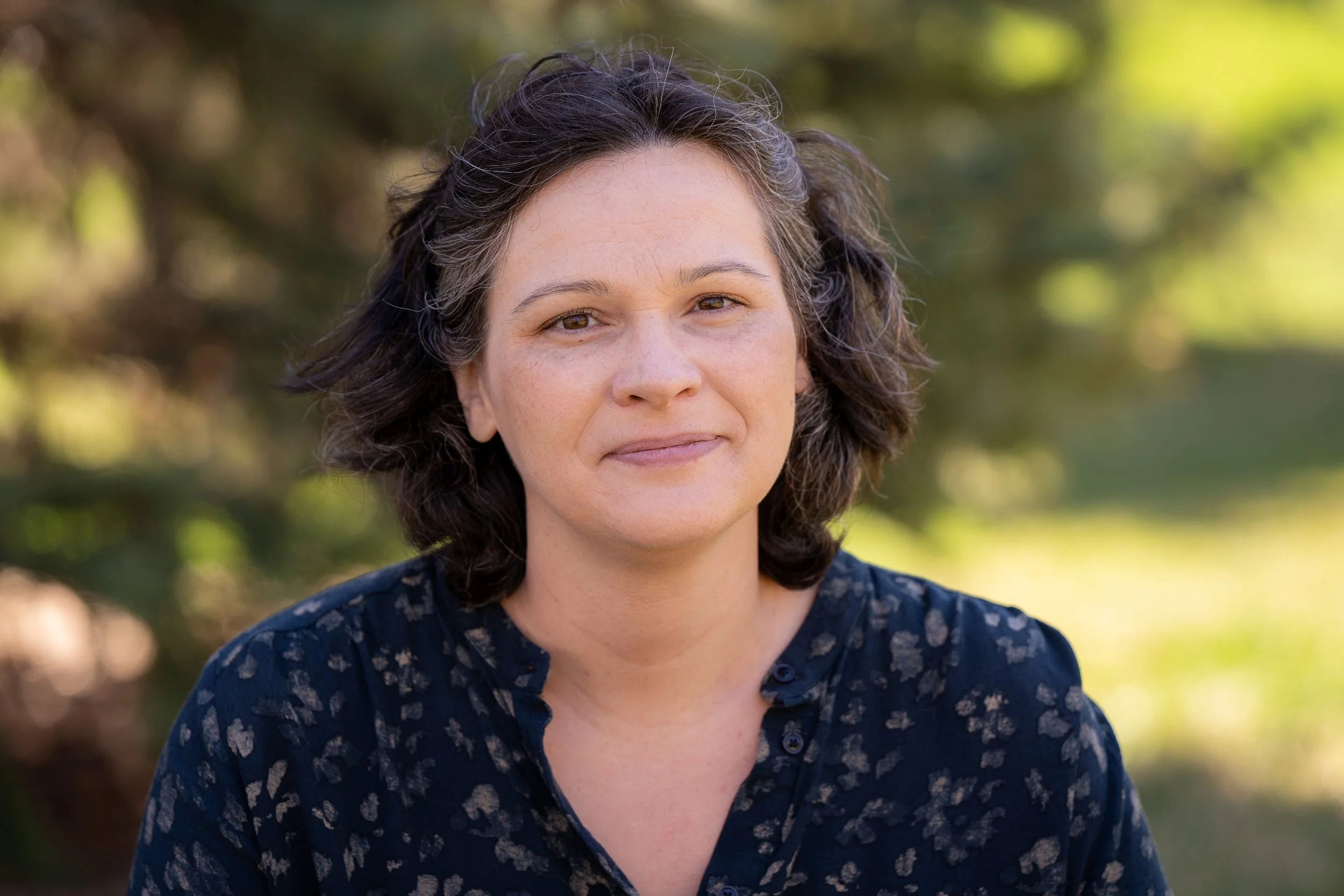
What it’s like to sit with me
Structured, but not clinical. I'll ask questions that go beneath the surface, and I'll bring you back to something you mentioned three weeks ago because it mattered. You won't be managing my reactions, and you don't have to perform being fine.
A few honest notes on pacing
What I specialize in is depth, not duration. If you want a short course of skills-based therapy without looking at what's underneath, that's a legitimate goal — just not what I do.
You don't have to fully believe change is possible before we start. Most clients don't, at first. Part of the early work is building enough trust that it starts to feel possible.
The pace adjusts to you. Some clients move through Phase 1 quickly; others need more time there before going deeper — and that's information, not a failure.
What it costs
THERAPY HOUR - 50 MINUTES
$185
Most of our sessions, most weeks
INTAKE AND 90 MINUTE SESSIONS
$275
Your first session, and exposure or processing work
I currently work on a private-pay basis. Many clients use out-of-network benefits, which can offset some of the cost — I'm happy to provide a superbill you can submit for potential reimbursement, and to talk through what that might look like before we start. Given the depth and length of this work, I think of it as an investment in patterns that have often been costing you for a long time. I want you to have clear information to make that decision, not surprises.
More questions about the process
-
We'll define this together early on, in your terms rather than generic ones. From there, progress usually shows up in specific, noticeable ways: sleeping better, reacting differently in a conversation that used to derail you, catching a familiar thought pattern before it takes over.
-
Most sessions are conversation, but structured conversation — I'm tracking patterns across what you share, asking questions that go beneath the surface, and connecting things you may have mentioned weeks apart.
-
Sometimes, though not in a graded sense. It's usually reflection, noticing something specific during your week, or practicing a skill. What that looks like is something we shape together, not an assignment I hand you.
-
That's expected sometimes, and it's part of why the early grounding work matters. If something becomes too much in the moment, we slow down, ground, and return to it when you're ready — you're never stuck in something with no way out.
-
Both work well. Some clients strongly prefer in-person, particularly for deeper emotional processing; others find telehealth removes enough friction that they can actually show up consistently, which matters more.
-
Life happens. Pausing isn't failing, and it doesn't close the door. I'd rather you tell me directly so we can plan for it thoughtfully than have it happen as a series of missed sessions.

Ready to talk?
Schedule a free 15-minute consultation call to see if we're a good fit. Currently accepting new clients, with availability within about two weeks for flexible schedules.